
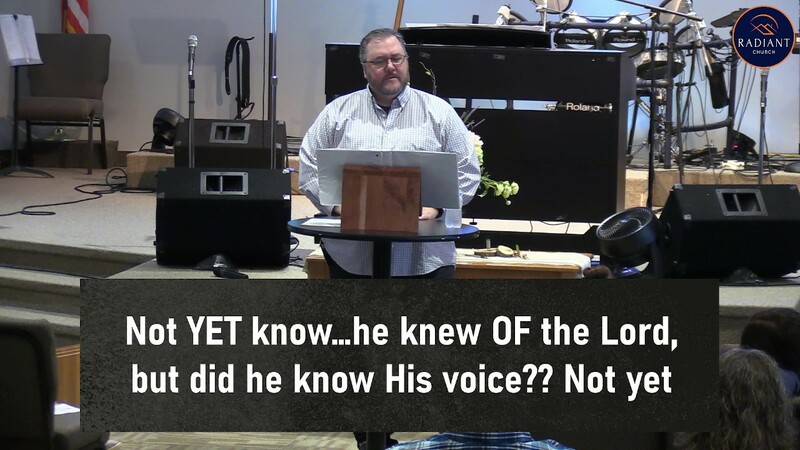
In a time when God’s voice seemed distant and spiritual leadership had grown corrupt, God quietly began raising up someone who was willing to listen. In 1 Samuel 2–3, we see a powerful contrast between the pride and rebellion of Eli’s sons and the humble obedience of young Samuel. While some treated holy things casually and ignored God’s correction, Samuel learned to respond with a simple posture of surrender: “Speak, Lord, your servant is listening.” This message wrestles with important questions many of us ask: How do we know when God is speaking? What keeps us from hearing His voice? And how do we avoid the dangers of manipulation when people misuse “God told me” language?
Through Samuel’s calling, we are reminded that God still speaks—often not in dramatic or audible ways, but through His Word, conviction, prayer, and a receptive heart. Yet hearing God requires humility, repentance, and a willingness to slow down enough to listen. Sin, pride, apathy, busyness, and unforgiveness can dull our spiritual hearing, while intentional prayer, Scripture, grace, and surrender open us to His leading. Ultimately, this story points us to Jesus—the One who still speaks, even when we are not yet listening. The challenge before us is simple but searching: Are our hearts prepared to hear God, receive His words, and live in His ways?
